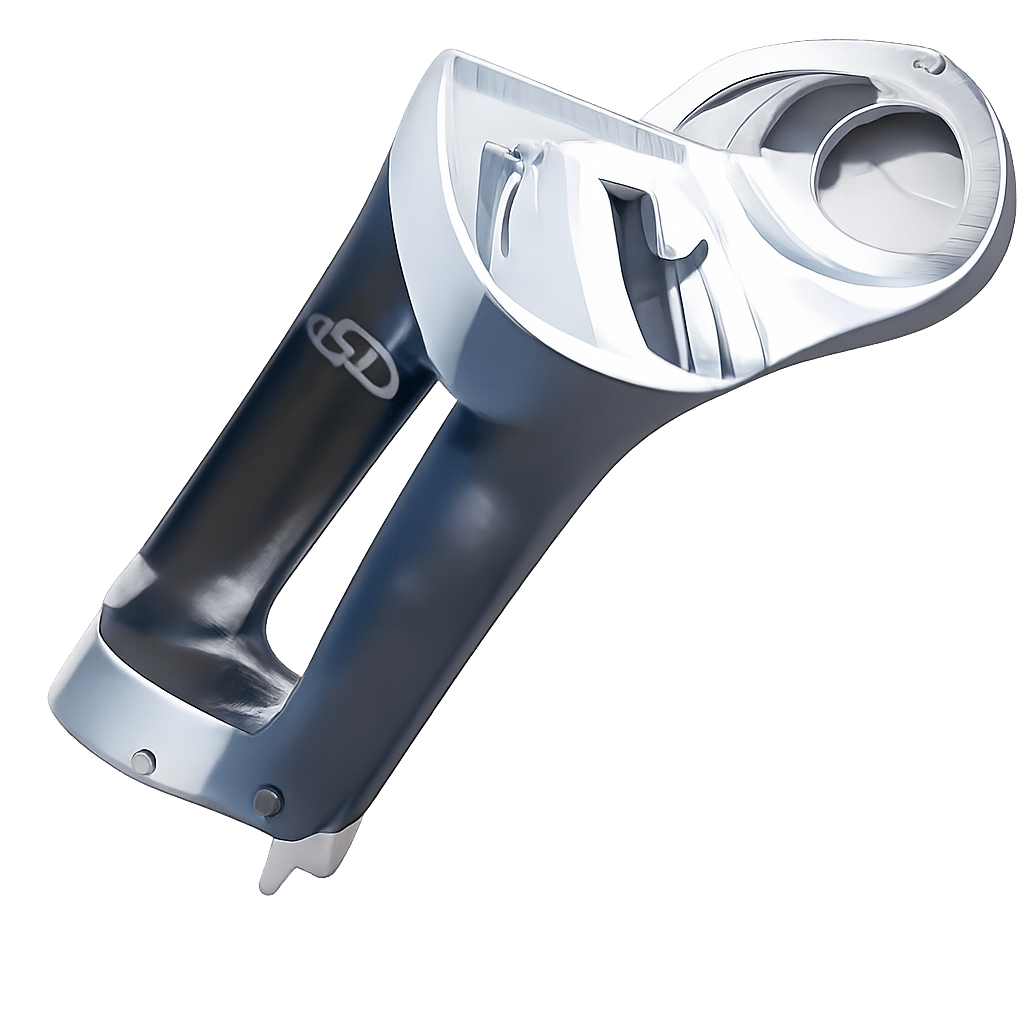
Cobotic Joint Modules
Lightweight design with low-backlash harmonic reducer integration, compatible with 6–20kg collaborative robots
Why Collaborative Robot Joints Are Hard to Make
Collaborative robots work alongside humans, so joints cannot be too large or heavy — yet torque and precision cannot be compromised. Harmonic reducer flexspline wall thickness is only 0.8-1.2mm; the slightest mistake during machining causes deformation and scrap. Crossed roller bearing housing raceway precision directly affects rotational accuracy — a 0.001mm difference is noticeable by feel.
Our Experience
Bisite has been doing precision machining for collaborative robot joint modules since 2020, currently serving as a core supplier to 5 domestic collaborative robot manufacturers. From flexsplines and circular splines to bearing housings and flanges, we machine the entire joint part set. Most importantly — our parts go together without selective assembly, consistency passes on the first try.
Process Assurance
40Cr and 20CrMnTi carburizing and quenching achieves HRC58-62 — surface hardness with retained core toughness. 7075-T6 aluminum hard anodizing is done in-house, no outsourcing back-and-forth. Every batch undergoes full CMM inspection — backlash, rotational accuracy, and radial runout are all measured.